
Medical Disclaimer: The information provided in this article is for educational and informational purposes only and is not a substitute for professional medical advice, diagnosis, or treatment. Always seek the advice of a qualified healthcare provider regarding any cardiac symptoms or concerns. If you believe you or someone else is experiencing a medical emergency, contact emergency medical services immediately.
Cholesterol is a vital waxy substance that your body needs to build healthy cells. However, having high levels of cholesterol in your blood can significantly increase your risk of developing heart disease. Effective cholesterol management is one of the most critical steps you can take to protect your cardiovascular system. If you are concerned about your lipid levels, consulting the best cardiologist in Bangalore is essential for receiving a comprehensive evaluation. A specialist in preventive cardiology can guide you through the process of maintaining healthy levels and preventing arterial blockages.
Understanding the difference between different types of cholesterol is the key to successful cholesterol management. While your body produces all the cholesterol it needs, diet and lifestyle choices can lead to an accumulation of excess lipids. Knowing when to seek professional cholesterol treatment can prevent cardiovascular events like heart attacks or strokes. A structured program in preventive cardiology focuses on early detection, regular lipid screening, and personalized lifestyle guidance to protect your blood vessels from plaque accumulation.
HDL vs. LDL: Good and Bad Cholesterol
To manage your heart health, you must understand the distinction between good and bad cholesterol. Cholesterol travels through your bloodstream attached to proteins, forming molecules called lipoproteins. These are classified into two main types:
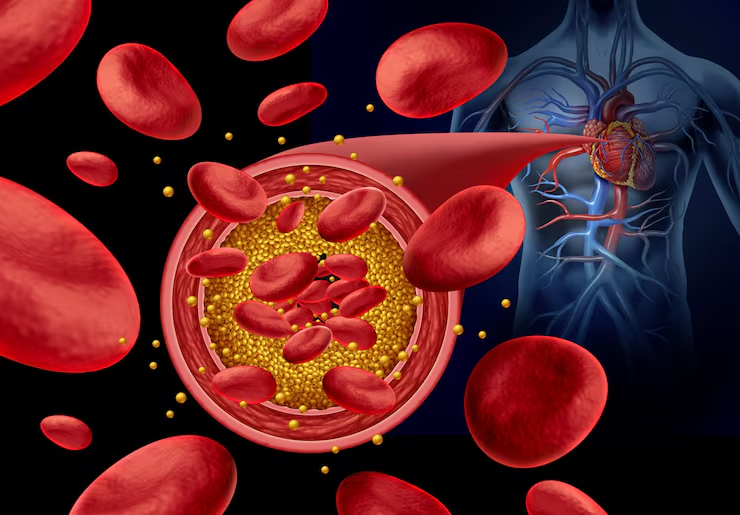
- LDL (Low-Density Lipoprotein): Often referred to as “bad” cholesterol. High levels of LDL lead to plaque build-up in your arteries, narrowing the channels and restricting blood flow. Understanding how LDL works is crucial for effective cholesterol management.
- HDL (High-Density Lipoprotein): Known as “good” cholesterol. HDL acts as a scavenger, carrying excess cholesterol away from your arteries and back to the liver, where it is broken down and excreted. Maintaining high HDL is essential for natural cardiovascular defense.
Achieving a healthy balance of good and bad cholesterol keeps your circulatory system functioning optimally. If your lipid ratios are out of balance, you may need a personalized clinical plan for cholesterol treatment. A specialist in preventive cardiology will analyze your lipid fractions to determine if lifestyle interventions or medical therapies are required to optimize your good and bad cholesterol levels.
The Silent Threat: High Cholesterol Symptoms
One of the most dangerous aspects of lipid imbalances is that there are virtually no direct high cholesterol symptoms. A person can live for years with dangerously elevated LDL levels without showing any outward high cholesterol symptoms. This silent accumulation of arterial plaque is why regular check-ups are vital for heart disease prevention.
Why Waiting for Symptoms is a Major Risk:
- No Direct Warning Signs: High cholesterol does not trigger pain, headaches, or fatigue. You cannot feel plaque building up.
- Sudden Cardiac Events: Often, the very first physical sign of high cholesterol is an acute cardiac emergency, like a heart attack or stroke.
- Advanced Blockages: Symptoms like angina (exertion-triggered chest pain) only appear when arteries are already significantly narrowed.
Because you cannot feel high cholesterol, waiting for physical high cholesterol symptoms to appear is a major risk. To identify these silent risks, scheduling a routine lipid profile test is highly recommended. The results of a lipid profile test will give you and your physician a clear breakdown of your cholesterol levels, allowing for timely intervention before any cardiovascular damage occurs.
How to Lower Cholesterol Naturally
If your lipid levels are moderately elevated, learning how to lower cholesterol naturally is an excellent starting point. Making positive changes to your daily habits can have a profound impact on your lipid levels. Here are key strategies on how to lower cholesterol naturally and how to reduce cholesterol:
- Adopt a Heart-Healthy Diet: Reduce your intake of saturated fats and eliminate trans fats. Focus on soluble fiber-rich foods like oats, beans, lentils, and fruits, which help prevent cholesterol absorption in your bloodstream. Consuming healthy fats, like olive oil and nuts, is a great step in learning how to lower cholesterol naturally.
- Increase Physical Activity: Moderate exercise, such as walking, cycling, or swimming for 30 minutes a day, helps raise your HDL (“good”) cholesterol. Incorporating regular exercise is a proven way of how to reduce cholesterol and improve arterial elasticity.
- Quit Smoking: Avoid tobacco, as smoking damages blood vessels and lowers your HDL levels. Quitting smoking enhances cardiovascular function and supports natural how to reduce cholesterol processes.
- Maintain a Healthy Weight: Carrying excess weight contributes to higher LDL levels. Losing even a small percentage of body weight assists in natural cholesterol management.
For many individuals, committing to these lifestyle adjustments explains how to reduce cholesterol effectively without immediate medication. However, if lifestyle modifications alone do not successfully lower your lipids, you should discuss medical cholesterol treatment options with a qualified cardiologist.
Medical Options for Cholesterol Treatment
For some patients, genetic factors make it difficult to manage lipids through diet and exercise alone. In these cases, clinical cholesterol treatment becomes necessary. A cardiologist may prescribe medications to assist in your cholesterol management. The most common medical therapies include:
- Statins: The most widely prescribed medications for cholesterol treatment. Statins block the enzyme in the liver that produces cholesterol, helping your body reabsorb built-up plaque.
- Bile Acid Sequestrants: Medications that bind to bile acids in your intestine, forcing your liver to use excess cholesterol to make more bile acids, thereby lowering blood cholesterol.
- Cholesterol Absorption Inhibitors: Drugs that limit the absorption of dietary cholesterol in your small intestine.
Your physician will tailor your cholesterol treatment based on your overall cardiovascular risk profile, medical history, and the results of your lipid profile test. Utilizing medical treatments in conjunction with lifestyle adjustments is the gold standard for heart disease prevention.
The Role of a Lipid Profile Test
A lipid profile test is a complete blood panel that measures your total cholesterol, LDL, HDL, and triglycerides (another type of blood fat). Since there are no visible high cholesterol symptoms, a lipid profile test is the only definitive tool to evaluate your risk. Regular testing is a cornerstone of preventive cardiology.
Important Testing Guidelines:
- Who Needs It: Every adult over the age of 20 should undergo a baseline lipid profile test.
- Frequency: Typically recommended every four to six years for low-risk individuals.
- High Risk Screening: Patients with obesity, diabetes, hypertension, smoking habits, or family history of premature heart disease require annual testing.
The results of this test help the best cardiologist in Bangalore formulate a highly accurate preventive or therapeutic plan for your heart health.
Consult Dr. Waseem Nadaf: Heart Specialist in Bangalore
Dr. Waseem Nadaf is a senior cardiologist in Bangalore with extensive qualifications (DM Cardiology, DNB Cardiology, MD General Medicine, MBBS) specializing in interventional and preventive cardiology. He provides expert diagnostic evaluations, personalized cholesterol management, and advanced cardiac treatments to ensure long-term heart disease prevention.
Dr. Waseem Nadaf consults patients at Parkside Medical Centre in HBR Layout, Bangalore, as well as Shifaa Hospital, Altius Hospital, and Sri Jayadeva Institute of Cardiovascular Sciences. If you have questions about how to lower cholesterol naturally, want to review your good and bad cholesterol levels, or need a clinical plan for cholesterol treatment, schedule an appointment. Proactive cardiac screening and early cholesterol management are your best defenses against cardiovascular disease.
Accessing Cardiac Care in HBR Layout
For comprehensive cardiovascular screenings and consultations in Bengaluru, patients visit Parkside Medical Centre to consult the best cardiologist in Bangalore. Located at 408, 4th Main Rd, 1st Stage, 3rd Block, HBR Layout, Bangalore, the clinic is equipped to perform diagnostic evaluations, coordinate your lipid profile test, and structure customized programs for heart disease prevention.
By consulting a local specialist, you will know exactly when to seek screening for high cholesterol symptoms and how to effectively manage your lipid profile. Contact the clinic at +91 91087 81238 to schedule your heart screening today.
Conclusion: Protect Your Heart Today
Managing your cholesterol is an ongoing commitment to your long-term health. Understanding the balance of good and bad cholesterol, scheduling your regular lipid profile test, and knowing how to reduce cholesterol are essential steps in heart disease prevention. Do not wait for cardiac symptoms to appear; take control of your cardiovascular wellness. Consult the best cardiologist in Bangalore to develop a personalized strategy for how to lower cholesterol naturally or access advanced medical cholesterol treatment options.
FAQ: Frequently Asked Questions
Who is the best cardiologist in Bangalore for cholesterol management?
Dr. Waseem Nadaf is a trusted heart specialist in Bangalore, offering advanced diagnostics, personalized dietary guidance, and medical cholesterol treatment options at Parkside Medical Centre, HBR Layout.
What is the main difference between good and bad cholesterol?
LDL (“bad” cholesterol) deposits fat in your artery walls, while HDL (“good” cholesterol) removes excess fat and carries it back to the liver for excretion. Managing both is crucial for preventive cardiology.
What are the typical high cholesterol symptoms?
High cholesterol has no visible high cholesterol symptoms. It is a silent condition that can only be diagnosed through a standard lipid profile test.
How to lower cholesterol naturally?
You can improve your lipid profile naturally by eating a soluble fiber-rich diet, exercising daily for 30 minutes, avoiding saturated fats, and quitting smoking. Discuss how to lower cholesterol naturally with a specialist to design a safe program.
Where can I book a lipid profile test in Bangalore?
You can book your consultation and a lipid profile test at Parkside Medical Centre, HBR Layout, by calling +91 91087 81238 for expert guidance from the best cardiologist in Bangalore.